Climate Change in Kagera–Bukoba
Real and visible impacts
Climate change is a global reality—and its effects are already being felt in the Kagera region, around Bukoba in north-western Tanzania. This area, rich in landscapes, family farming and rural communities, is particularly vulnerable to climate variations. Local livelihoods depend largely on rain-fed agriculture, local water resources, and the stability of the natural environment.

A climate that is changing, season after season
The Kagera region has a humid tropical climate, with two main rainy seasons: from March to May and from October to December. Annual rainfall varies widely—from about 500 mm to more than 2,000 mm, particularly in areas close to Lake Victoria.
In recent years, however, the rainy seasons have become increasingly unpredictable. Some years they arrive earlier or later than expected; in others, rainfall is more intense and concentrated, sometimes causing sudden flooding.
Climate data also shows a gradual rise in average local temperatures, reflecting wider trends observed around the Lake Victoria basin. Heat extremes and warmer nights are becoming more frequent—clear signs of ongoing climate change.
Impacts already visible for local communities
Heavy rains and flooding
In several neighbourhoods of Bukoba and other areas of Kagera, authorities have regularly issued warnings about heavy rain, strong winds and potential flooding, particularly in low-lying areas or near rivers.
These intense rains can tear off roofs, damage homes and make some roads impassable, directly affecting the daily lives of families.

Agriculture and food security
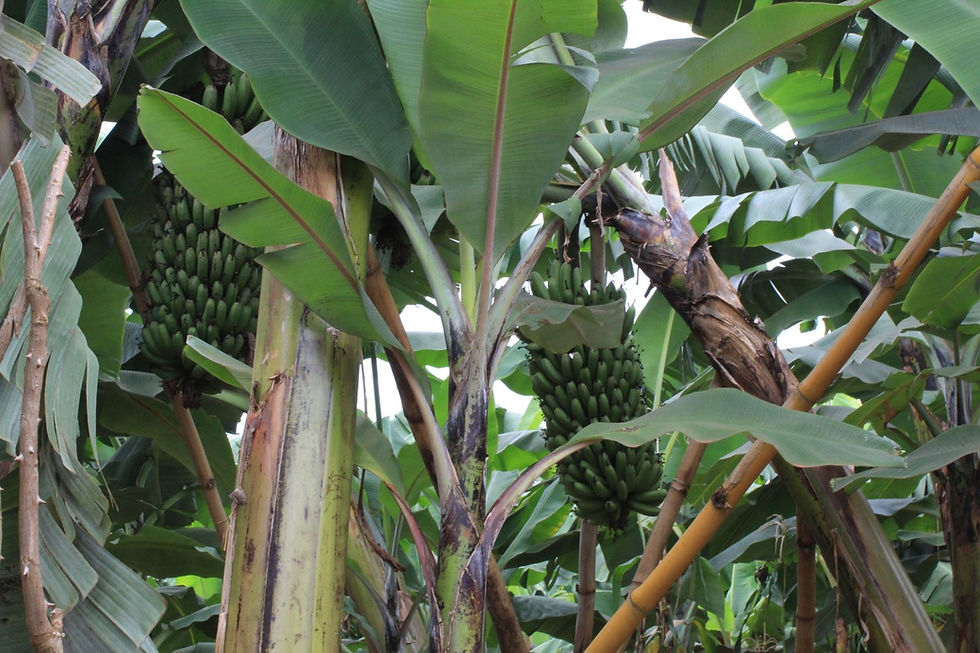
Agriculture lies at the heart of Kagera’s economy. Most families rely on food crops such as bananas, maize, cassava and vegetables.
Sudden climate variations—whether prolonged droughts or excessive rainfall—make it more difficult for farmers to plan planting and harvesting. As a result, crop yields can decrease, creating uncertainty for household livelihoods and food security.
Water management
The presence of Lake Victoria, the Kagera River, and other water bodies is a major asset for the region. Yet these resources can also present challenges.
Sudden flooding or rapid fluctuations in water levels can complicate local water management and affect access to water for agriculture, livestock and domestic use.
Local initiatives to strengthen resilience
In response to these challenges, several initiatives are emerging in the region:
🤝 Awareness and adaptation programmes are being organized by local organisations in Bukoba and surrounding areas, including educational workshops for communities on climate change and adaptation strategies.
🌱 Environmental protection projects, such as botanical gardens and reforestation spaces, help combat soil erosion and improve the resilience of landscapes to changing rainfall patterns.
🌾 Support for farmers is also growing, encouraging better use of rainfall, the planting of short-cycle crops, and improved drainage systems to reduce the risk of flooding.
Why this matters to us
Through our daily work in and around Bukoba, we see that climate is not an abstract concept. It directly affects families’ food security, the availability of water, and communities’ ability to plan for the future.
Understanding these realities is essential if we want to support communities, raise awareness, and work together to develop solutions adapted to this specific context.
Climate change is not inevitable. It calls for practical, local and collective action to strengthen the resilience of the children, families and communities we support.
Sources : Daily News, ippmedia.co.tz kadetfu.or.tz nbs.go.tz InfoNile


Comments