Discovering the Haya people
At the heart of the Kagera region

In the Kagera region, in northwestern Tanzania, lives the Haya people, one of the main communities in the area where Partage Tanzania operates. Learning more about the Haya also means better understanding the daily lives of the children we support.
A people deeply rooted in their land
The Haya live mainly along the shores of Lake Victoria, in a fertile region well suited to agriculture. Today, they number around 2 to 3 million people, representing roughly 4% of Tanzania’s population
This is a largely rural area, where many families depend on the land and where most of the children supported by Partage Tanzanie grow up.
A culture closely connected to agriculture
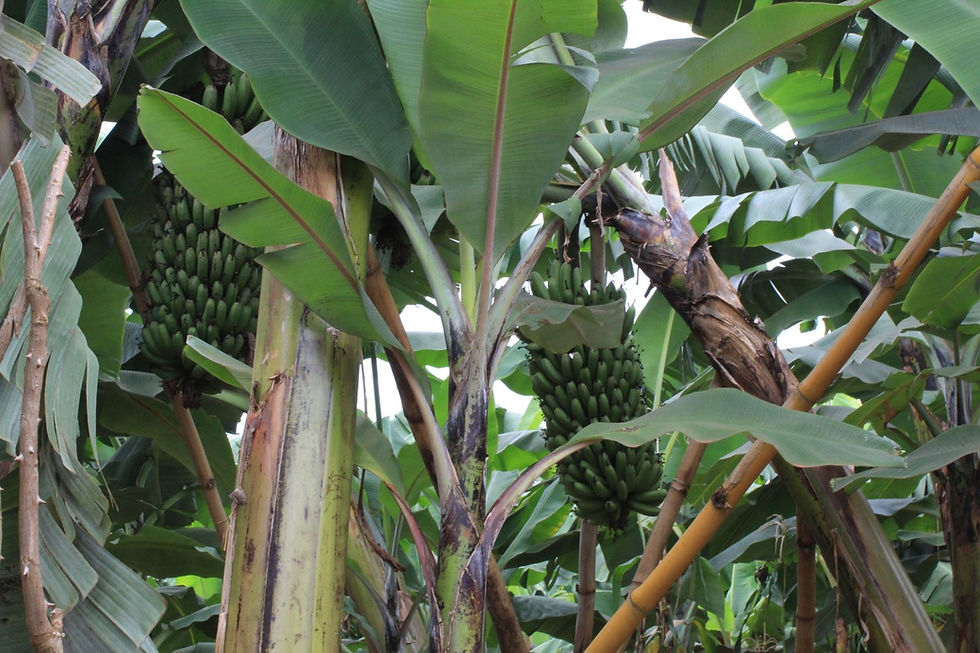
The Haya have long been sedentary farmers, with banana cultivation at the heart of their daily life. Bananas (used to prepare matoke) are a staple food, but also a central part of their culture and economy.
They also grow:
coffee (a key cash crop)
maize
beans
Family farming structures daily life, with knowledge passed down from generation to generation and strong community ties.
A rich history and strong traditions
The Haya have a long and structured history. In the past, they were organized into several kingdoms ruled by leaders called mukama, with well-established social systems.
They are also known for their ingenuity: archaeological research suggests they developed advanced iron-working techniques as early as 2,000 years ago
Their culture is rooted in:
family and clan structures
oral traditions (stories, proverbs, songs)
their language, Kihaya, alongside Swahili

Between tradition and modern challenges
Today, the Haya community lives between tradition and change. While cultural values remain strong, many families face challenges such as:
access to education
rural poverty
dependence on agriculture
Children grow up in a rich cultural environment, but often with limited resources.
The link with Partage Tanzanie
This is where Partage Tanzanie’s work takes place.
By supporting children in the Kagera region, the association works directly with Haya families, taking into account their culture, way of life, and needs.
Supporting a child also means:
understanding their cultural environment
respecting their traditions
helping them build a future while staying connected to their roots
Understanding to better support
Getting to know the Haya people brings us closer to the daily lives of your sponsored children: their meals, their language, their families, and their environment.
It also helps us better understand the importance of your support, which allows these children to grow, learn, and look toward the future with hope.


Comments